


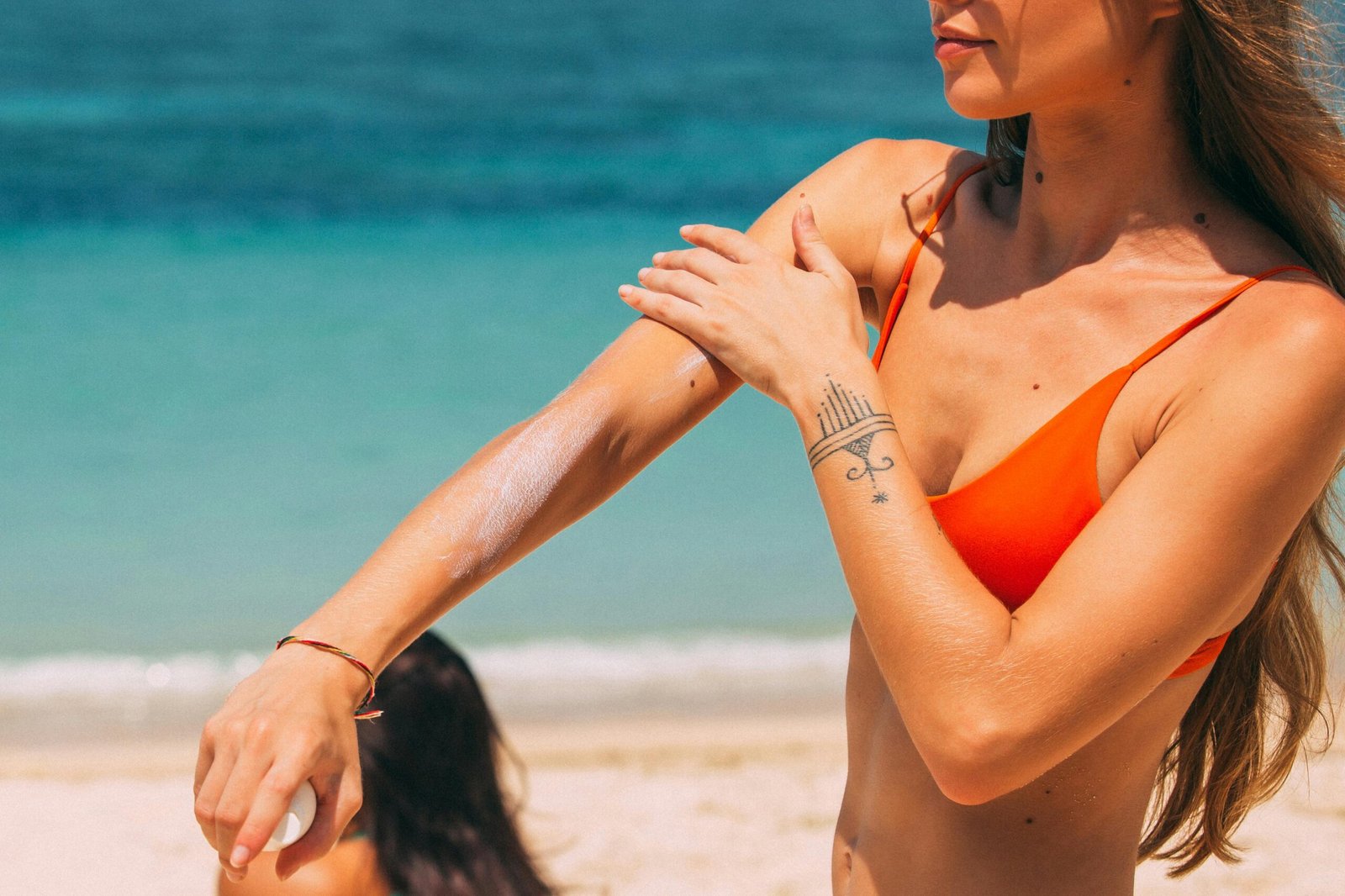
Australia leads the world in skin cancer rates, with two in three Australians diagnosed by age 70. While sunscreen receives most attention in sun safety campaigns, comprehensive protection requires multiple strategies working together—a concept known as sun-smart behavior.
Melanoma kills more young Australians than any other cancer, and non-melanoma skin cancers, while rarely fatal, affect hundreds of thousands annually, creating enormous healthcare costs and quality-of-life impacts. The good news: skin cancer is largely preventable through consistent protective behaviors.
Understanding Your Risk
Skin Cancer Types
Melanoma:
- Most dangerous form
- Develops in pigment-producing cells (melanocytes)
- Can spread to other organs if untreated
- Accounts for majority of skin cancer deaths
- Highly treatable when detected early
- Risk increases with UV exposure and sunburn history
Basal Cell Carcinoma (BCC):
- Most common skin cancer (70% of diagnoses)
- Develops in basal cells of epidermis
- Slow-growing
- Rarely spreads but can cause local damage
- Linked to cumulative sun exposure
Squamous Cell Carcinoma (SCC):
- Second most common (25% of diagnoses)
- Develops in squamous cells
- Can spread if untreated
- Linked to cumulative sun exposure and severe burns
- More aggressive than BCC
Risk Factors
Non-Modifiable:
- Fair skin, light hair, light eyes
- Family history of skin cancer
- Many moles or atypical moles
- Previous skin cancer diagnosis
- Inherited conditions affecting DNA repair
- Age (risk increases with age)
Modifiable:
- UV exposure (sun and tanning beds)
- History of sunburns
- Outdoor occupation or recreation
- Geographic location
- Protection behaviors
While you can’t change genetics, you control UV exposure—the primary modifiable risk factor.
The Five Sun Protection Strategies
Comprehensive sun protection combines multiple approaches:
1. Slip on Sun-Protective Clothing
Clothing provides your first line of defense against UV radiation.
Ultraviolet Protection Factor (UPF):
- Similar to SPF for sunscreen
- UPF 50+ blocks 98% of UV radiation
- Look for UPF-rated garments
Effective Clothing Choices:
- Long-sleeved shirts
- Long pants or skirts
- Tightly woven fabrics (hold fabric to light—less light through means better protection)
- Darker colors generally provide better protection
- Dry fabric (wet clothing loses protection)
Fabric Factors Affecting Protection:
- Weave Tightness: Tighter weaves block more UV
- Color: Darker and more vibrant colors absorb more UV
- Weight: Heavier fabrics typically provide better protection
- Stretch: Stretching fabric reduces protection
- Moisture: Wet clothing offers less protection
- Wear: Worn, thin fabric provides reduced protection
Special Fabrics:
- UV-protective synthetics designed for outdoor activities
- Treated natural fibers with UV-blocking additives
- Specialized athletic wear with built-in UPF
Practical Clothing Tips:
- Choose lightweight, breathable UPF fabrics for hot weather
- Layer protection (shirt over swimwear)
- Cover areas often forgotten (back of neck, hands, feet)
- Consider sun-protective swimwear and rash guards
2. Slop on SPF 50+ Sunscreen
Sunscreen remains crucial but works best as part of comprehensive protection.
Application Basics:
- Apply 20 minutes before sun exposure
- Use 7 teaspoons (35mL) for average adult body
- 1 teaspoon for face and neck alone
- Most people apply only 25-50% of recommended amount
- Reapply every 2 hours
- Reapply immediately after swimming or heavy sweating
Choosing Sunscreen:
- SPF 50+ recommended for Australian conditions
- Broad-spectrum (protects against UVA and UVB)
- Water-resistant (labeled 2 or 4 hours)
- AUST L number (Australian therapeutic goods approved)
Special Considerations:
- Different formulations for face (non-comedogenic)
- Kids’ sensitive formulations
- Sport formulations (sweat-resistant)
- Daily moisturizers with SPF for everyday protection
Application Areas Often Missed:
- Ears (especially tops and backs)
- Back of neck
- Parting in hair/scalp (especially those with thinning hair)
- Tops of feet
- Hands
- Lips (use SPF lip balm)
- Eyelids (if tolerated)
Recent Concerns: Following the zinc sunscreen testing scandal, verify your sunscreen:
- Check TGA website for recalled products
- Choose products that have passed independent testing
- Consider multiple tested brands
- Reapply frequently as backup against potential SPF failures
3. Slap on a Broad-Brimmed Hat
Hats provide critical protection for face, ears, and neck—common skin cancer sites.
Effective Hat Styles:
- Broad-Brimmed: 7.5cm (3 inch) brim all around
- Bucket Hats: Deep crown, downward-sloping brim
- Legionnaire Style: Neck flap and sides coverage
Ineffective Styles:
- Baseball caps (leave ears and neck exposed)
- Visors (top of head exposed)
- Narrow-brimmed fashion hats
Hat Features:
- UPF-rated fabric
- Tightly woven material
- Adjustable chin strap (prevents loss in wind)
- Ventilation for comfort
- Water-resistant for beach/pool
Specialized Options:
- Sun hats with removable neck flaps
- UV-protective cycling helmets with visors
- Construction hard hats with brim attachments
4. Seek Shade
Shade reduces UV exposure by 50-75% but doesn’t eliminate it due to scattered and reflected radiation.
Effective Shade:
- Dense tree canopy (deciduous less effective in summer)
- Purpose-built structures (gazebos, awnings)
- UV-protective beach umbrellas (look for UPF rating)
- Shade sails (increasingly common in Australian parks)
When Shade is Most Critical:
- Peak UV hours: 10 AM – 3 PM
- During Very High and Extreme UV Index days
- When UV Index exceeds 3
- During extended outdoor activities
Shade Strategies:
- Plan outdoor work/activities around shade availability
- Create portable shade (pop-up shelters, umbrellas)
- Use natural shade when available
- Position shade to track sun movement
Shade Limitations:
- Reflected UV from sand, water, concrete still reaches shaded areas
- Scattered atmospheric UV penetrates shade
- Gaps in tree canopy reduce effectiveness
- Sun angle changes throughout day
5. Slide on Sunglasses
Eyes and surrounding skin are vulnerable to UV damage.
UV Eye Damage:
- Cataracts (clouding of lens)
- Pterygium (growth on eye surface)
- Macular degeneration
- Skin cancer on eyelids
- Photokeratitis (“snow blindness”)
Effective Sunglasses:
- Close-fitting wraparound style
- UV400 or 100% UV protection labeled
- Large lenses providing side protection
- Polarized reduces glare but UV protection separate feature
- Category 2, 3, or 4 lenses (darkness rating)
Special Situations:
- Prescription sunglasses for vision correction needs
- Photochromic lenses (darken in sunlight)
- Fit-over sunglasses for existing eyewear
- Kids’ sunglasses (often overlooked)
Sunglass Misconceptions:
- Darkness ≠ UV protection (dark lenses without UV coating can be worse than none, causing pupil dilation and more UV entering eye)
- Expensive ≠ better protection (check UV rating, not price)
- Fashion sunglasses may lack proper UV protection
Additional Protection Strategies
Timing Activities
Avoid Peak UV:
- Schedule outdoor activities before 10 AM or after 3 PM
- Plan indoor activities during midday peak UV
- Exercise early morning or evening
- Lunchtime breaks indoors during summer
Event Planning:
- Children’s sports scheduled for lower UV times
- Outdoor events with shade structures
- Wedding ceremonies considering sun position
- School activities timed appropriately
Environmental Awareness
High-Risk Locations:
- Beaches (sand reflects 25% of UV)
- Snow (reflects 80% of UV)
- Water (reflects 10% and allows UV penetration)
- High altitudes (UV increases 10-12% per 1,000m elevation)
- Tropical/subtropical latitudes
- Near equator
Low-Risk Environments:
- Indoors (though windows allow UVA penetration)
- Dense forest
- Underground or enclosed spaces
Vehicle Protection
Cars:
- Windscreens block most UV (laminated glass)
- Side and rear windows allow significant UVA (particularly older vehicles)
- Consider UV-blocking window film
- Use sun-protective clothing during long drives
- Apply sunscreen for extended driving
Convertibles and Motorcycles:
- Maximum UV exposure
- Require full protective measures
- Consider UV-protective riding gear
Water Safety
Water doesn’t provide UV protection:
- UV penetrates water to significant depths
- Swimmers receive substantial UV exposure
- Wet skin more susceptible to UV damage
- Reflection increases exposure
Aquatic Protection:
- UPF swimwear and rash guards
- Waterproof SPF 50+ sunscreen
- Shade between swims
- Wetsuit for extended water sports
- Sun shirt for snorkeling/diving
Sports and Recreation
Outdoor Sports:
- Cricket whites don’t provide sufficient protection
- Tennis players need comprehensive sun protection
- Golf involves extended UV exposure
- Surfing requires waterproof protection
- Running benefits from early morning/evening timing
Sun-Smart Sports Practices:
- Provide shade at sporting venues
- Supply water and sunscreen
- Schedule considering UV Index
- Protective team uniforms
- Educate coaches and athletes
Behavioral Sun Protection
Making Protection Habitual
Daily Routines:
- Apply sunscreen as part of morning routine
- Keep sunscreen at key locations (car, desk, bag)
- Wear sun-protective clothing as default
- Check daily UV Index forecast
- Plan day around peak UV avoidance
Family Sun Safety:
- Model protective behaviors for children
- Make sun protection fun, not punishment
- Praise children for sun-smart choices
- Create family sun safety rituals
- Stock home with sun protection supplies
Workplace Sun Safety
Employer Responsibilities:
- Provide PPE (hats, sunscreen, protective clothing)
- Schedule outdoor work avoiding peak UV when possible
- Provide shaded break areas
- Educate workers on skin cancer risks
- Facilitate skin checks
Employee Actions:
- Use provided PPE consistently
- Take breaks in shade
- Apply sunscreen regularly
- Report inadequate protection provisions
- Participate in workplace skin checks
Community Engagement
Advocacy:
- Support shade infrastructure in public spaces
- Encourage school sun safety policies
- Promote sun-smart sports scheduling
- Advocate for workplace sun protection
- Share sun safety knowledge
Skin Checks and Early Detection
Prevention works best with early detection:
Self-Examination
Monthly Self-Checks:
- Examine entire body systematically
- Use mirrors for hard-to-see areas
- Photograph suspicious spots for comparison
- Note any changes to existing moles
- Check scalp (ask partner or use blow-dryer to part hair)
ABCDE Rule for Melanoma:
- Asymmetry: One half unlike the other
- Border: Irregular, scalloped, or poorly defined
- Color: Varied shades of brown, black, tan, red, white, or blue
- Diameter: Larger than 6mm (pencil eraser)
- Evolving: Changes in size, shape, color, elevation, or symptoms
Additional Warning Signs:
- Sore that doesn’t heal
- New spot that looks different
- Spot that changes, itches, or bleeds
- Ugly duckling (spot that looks different from others)
Professional Skin Checks
Recommended Frequency:
- Annual for average-risk individuals
- More frequent for high-risk patients
- Immediate check for concerning changes
Who Should Have Regular Checks:
- Anyone with previous skin cancer
- Fair-skinned individuals
- Those with many moles
- Family history of melanoma
- Outdoor workers
- History of sunburn or tanning bed use
- Immunosuppressed individuals
What Happens During Checks:
- Full-body examination
- Dermoscopy of suspicious lesions
- Photography for future comparison
- Biopsy if necessary
- Treatment recommendations
Technology in Detection
Emerging Tools:
- AI-powered skin cancer detection apps
- Total body photography systems
- Confocal microscopy
- Reflectance spectroscopy
While promising, technology supplements rather than replaces professional examination.
Special Populations
Children
Most skin cancer results from childhood and adolescent sun exposure:
Protection Essentials:
- Keep babies under 6 months completely out of direct sun
- Use physical sun protection (clothing, shade) as primary defense
- Apply sunscreen to exposed areas (6+ months)
- Make sun protection normal, not negotiable
- Set lifelong habits early
School Environment:
- Support no-hat-no-play policies
- Advocate for adequate shade in playgrounds
- Encourage sun-protective uniforms
- Request outdoor activities scheduled appropriately
Adolescents and Young Adults
This group often most resistant to sun protection despite high-risk behaviors:
Challenges:
- Tanning perceived as attractive
- Peer pressure
- Sense of invincibility
- Outdoor recreation emphasis
Approaches:
- Education about premature aging (often more motivating than cancer risk)
- Photo-aging apps showing future appearance
- Emphasize skin health and appearance
- Provide easy, appealing sun protection options
- Influence through social media and peers
Older Adults
Cumulative UV damage manifests in older age:
Considerations:
- Higher skin cancer rates
- Many take photosensitizing medications
- Outdoor recreational activities
- Lifetime accumulated damage
Protection:
- Continue sun protection despite existing damage
- Regular professional skin checks
- Monitor changing spots
- Protect medication-sensitized skin
Outdoor Workers
Occupational sun exposure significantly increases risk:
High-Risk Occupations:
- Construction and trades
- Farming and agriculture
- Fishing and maritime
- Landscaping and gardening
- Postal and delivery services
- Outdoor education and recreation
Practical Protection:
- Employer-provided PPE
- Regular breaks in shade
- Rotation of outdoor tasks
- Access to sunscreen
- Scheduled skin checks
- Worker education
Economic Impact
Skin cancer represents enormous costs:
Healthcare:
- Over $1 billion annually in Australia
- Most expensive cancer to treat
- Hundreds of thousands of procedures
- Lost productivity
Personal:
- Treatment costs
- Time off work
- Emotional impacts
- Disfigurement
- Ongoing monitoring
Prevention is far more cost-effective than treatment.
Cultural Considerations
Australia’s sun-loving culture requires gradual shifting:
Historical Attitudes:
- Tanning seen as healthy
- Outdoor lifestyle emphasized
- Beach culture central to identity
Modern Understanding:
- Tanning represents skin damage
- Pale is healthy
- Sun protection enables outdoor lifestyle
- Skin cancer preventable
The “SunSmart” campaign has successfully shifted attitudes, but ongoing reinforcement is necessary.
Climate Change Implications
Climate change affects sun safety:
Potential Impacts:
- Ozone layer recovery may reduce peak UV
- Changing cloud patterns affect UV exposure
- Hotter temperatures encourage outdoor activity
- Extended outdoor season
Adaptation:
- Continued vigilance regardless of ozone recovery
- Adjust behaviors to changing conditions
- Monitor UV Index trends
The Bottom Line
Skin cancer prevention extends far beyond sunscreen:
- Clothing: First line of defense
- Sunscreen: Important backup, not sole protection
- Hats: Critical for commonly affected areas
- Shade: Reduces exposure substantially
- Sunglasses: Protects eyes and surrounding skin
- Timing: Avoid peak UV hours
- Awareness: Know your risk and monitor skin
- Early Detection: Regular self and professional checks
No single strategy provides complete protection. Comprehensive sun-smart behavior combines all strategies consistently.
Australia’s high UV radiation and outdoor culture make sun protection essential for everyone. The evidence is clear: consistent sun protection dramatically reduces skin cancer risk. The question isn’t whether to protect yourself—it’s whether you’ll do it today.
Monitor daily UV Index and plan sun-safe activities with MyWeather’s comprehensive UV forecasts and protection recommendations.
Related Articles:
- Zinc Sunscreen Scandal: Major Brands Fail SPF Tests
- UV Index Explained: Understanding Sun Safety Ratings
- Summer Safety: Protecting Your Family from Heat and UV
- Climate Change and Increasing UV Exposure Risks