


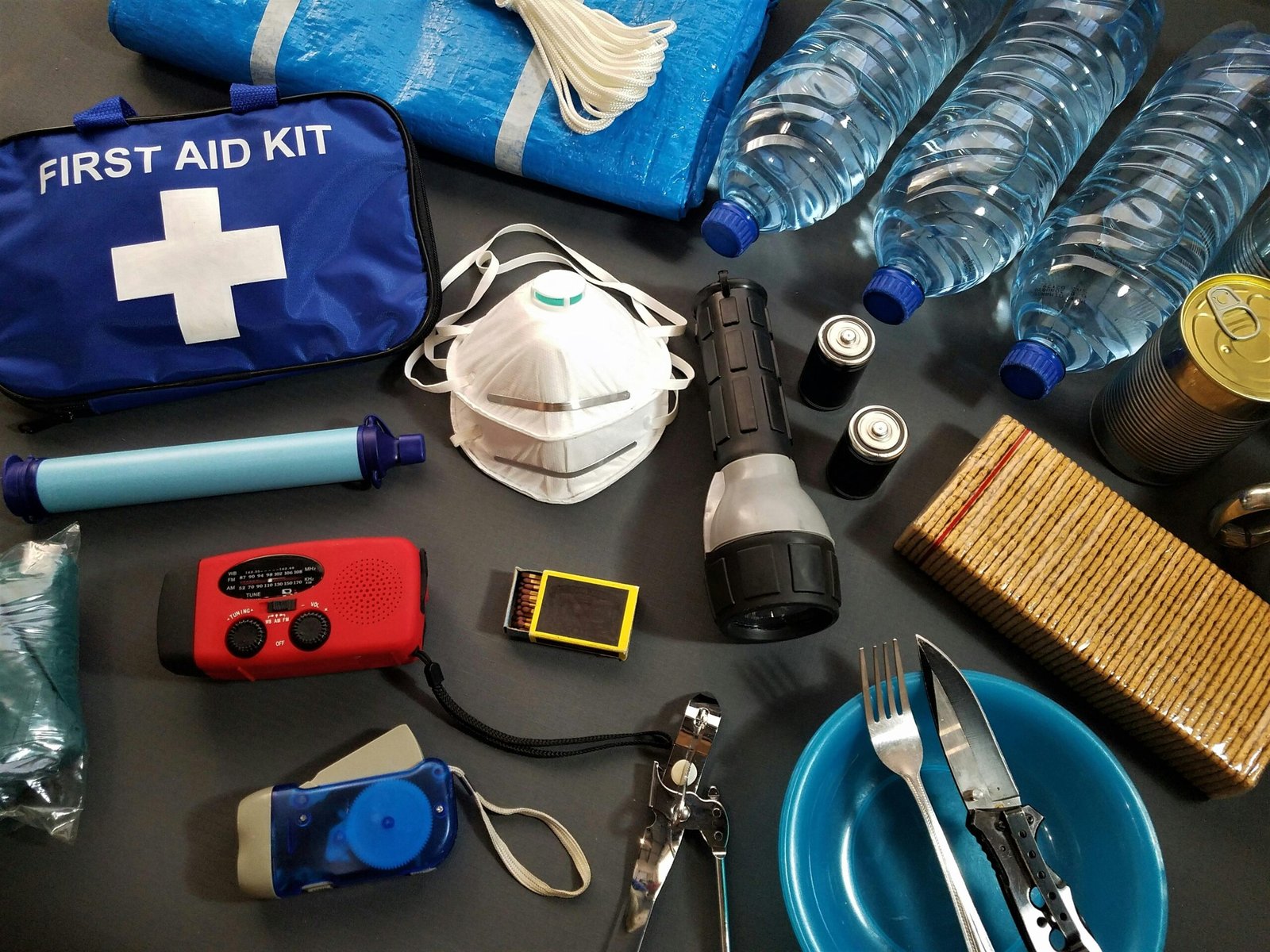
What should I do to prepare for severe storms? Charge all devices, secure outdoor items, know how to shelter safely, never drive through floodwater, and stay 8 meters from downed power lines. Have emergency supplies ready including torch, radio, water, and medications.
With severe thunderstorms continuing across eastern Australia, thousands of homes face risks of power outages from destructive winds and flash flooding from heavy rainfall. Here’s your complete safety checklist.
What to do before storms hit: Preparation checklist
Power outage preparation (do this now):
- ✓ Charge all phones, tablets, and portable batteries to 100%
- ✓ Fill bathtubs and containers with water (electric pumps stop during outages)
- ✓ Freeze containers of water to keep fridge cold longer
- ✓ Locate torches and check batteries (don’t rely only on phone light)
- ✓ Have battery-powered radio accessible for emergency broadcasts
- ✓ Know how to manually open your garage door
- ✓ Withdraw cash from ATM (ATMs don’t work during power outages)
- ✓ Charge laptop and any battery packs
- ✓ Fill vehicle fuel tank
Property protection:
- ✓ Secure all outdoor furniture, trampolines, and decorations
- ✓ Bring in potted plants, children’s toys, garden tools
- ✓ Park vehicles under cover if possible
- ✓ Close all windows and doors
- ✓ Close blinds and curtains (reduces glass scatter if windows break)
- ✓ Clear gutters and drains of leaves and debris
- ✓ Trim overhanging branches near buildings
- ✓ Identify the safest room in your home (away from windows, no skylights)
What causes power outages during storms?
Power outages during severe thunderstorms are caused by:
- Destructive winds (over 125km/h) bringing down power lines
- Fallen trees hitting power infrastructure
- Lightning strikes damaging transformers and equipment
- Flooding forcing power companies to shut down substations for safety
Outages can last from minutes to several days depending on damage extent.
What should I never do during a power outage?
Critical safety rules during power outages:
❌ Never use gas stoves, BBQs, or generators indoors – they produce deadly carbon monoxide gas ❌ Never touch downed power lines – assume all are live and deadly ❌ Never approach within 8 meters of fallen power lines – electricity can arc through the ground ❌ Don’t open fridge/freezer unnecessarily – keeps food cold for 4-6 hours if unopened ❌ Never use candles for lighting – fire risk during storms, use torches instead
What is flash flooding and why is it dangerous?
Flash flooding occurs when heavy rainfall causes rapid water rise in minutes rather than hours. It’s extremely dangerous because:
- Just 15cm of fast-flowing water can sweep away a vehicle
- 60cm of water will float most vehicles
- Floodwater hides hazards: holes, debris, downed power lines
- Current strength is deceptive – water moves faster than it appears
- Most flood deaths occur in vehicles
Should I drive through floodwater?
NO. Never drive through floodwater. This is the #1 rule for flood safety.
If you encounter water over the road:
- Turn around immediately
- Find an alternate route
- Wait for water to recede if no alternate route exists
- Call emergency services if you need help: 000
“If it’s flooded, forget it” – this slogan saves lives.
What should I do if my car is caught in floodwater?
If your vehicle stalls in rising water:
- Abandon the vehicle immediately – don’t try to restart it
- Move to higher ground – water rises rapidly
- Don’t return to the vehicle – it can be swept away in minutes
- Call 000 if you’re trapped or in danger
Your life is worth infinitely more than your vehicle.
How do I stay safe from fallen power lines?
Power line safety rules:
- Stay at least 8 meters away – electricity can arc through ground/air
- Never touch anything near power lines – trees, fences, puddles, vehicles
- Call emergency services immediately: 000
- Warn others to stay back if you see people approaching
- Assume all downed lines are live – even if they’re not sparking
If you’re in a vehicle touching a power line:
- Stay inside the vehicle – safest place
- Call 000 and wait for help
- Only exit if vehicle catches fire – jump clear without touching vehicle and ground simultaneously
What’s in an emergency kit for storms?
Essential emergency supplies:
- First aid kit with any prescription medications
- Torch (LED type with spare batteries)
- Battery-powered or hand-crank radio
- Bottled water (3 liters per person per day for 3 days minimum)
- Non-perishable food (canned goods, protein bars, dried fruit)
- Manual can opener
- Important documents in waterproof container (insurance policies, ID, medical info)
- Cash in small denominations
- Fully charged power bank
- Spare phone charger
- Whistle for signaling help
- Warm blankets
- Baby supplies and pet food if applicable
Where is the safest place during a severe thunderstorm?
Safest locations inside your home:
- Interior rooms with no windows (bathrooms, hallways, closets)
- Lowest floor of the building (away from roof/skylights)
- Center of the home (away from exterior walls)
- Under sturdy furniture if very severe
Avoid these locations:
- Near windows, glass doors, or skylights
- Rooms with large windows or glass walls
- Near fireplaces or metal pipes
- Anywhere outside
How do I know when it’s safe after a storm?
Wait for official “all clear” from emergency services before:
- Returning to evacuated areas
- Approaching damaged buildings
- Going near storm debris
- Allowing children to play outside
Post-storm dangers include:
- Downed power lines (may not be visible under debris)
- Weakened trees and branches
- Damaged buildings at risk of collapse
- Contaminated floodwater
- Sharp debris and broken glass
- Gas leaks from damaged lines
What weather warnings should I monitor?
Bureau of Meteorology warning types:
- Severe Thunderstorm Warning – issued when storms imminent (updated every 10-30 minutes)
- Severe Weather Warning – broader area, longer timeframe
- Watch and Act – emergency services advice (higher severity)
- Emergency Warning – immediate life threat (highest severity)
Set up warning notifications:
- Download BOM Weather app
- Enable location-based alerts
- Follow local emergency services on social media
- Have battery radio for alerts if power fails
Current severe weather warnings for Queensland and NSW
- Today (Wednesday): Northeastern NSW – giant hail, destructive winds possible
- Thursday: Southeast Queensland coast including Brisbane, Gold Coast, Sunshine Coast
- Check latest: bom.gov.au for updated warnings
The Bureau updates severe thunderstorm warnings as storms develop. Check radar regularly at bom.gov.au during severe weather days.
Who do I call in a storm emergency?
- Immediate life threat: 000 (fire, ambulance, police)
- Storm damage (no life threat): SES 132 500
- Power outages: Your electricity provider (number on your bill)
- Fallen trees on roads: Local council
- Gas leaks: Gas provider emergency line (1800 427 532)
Have these numbers saved in your phone and written down (in case phone dies during power outage).
Taking these preparations seriously could save your life and property. The few hours spent preparing before severe weather hits are invaluable compared to dealing with preventable damage or danger.