


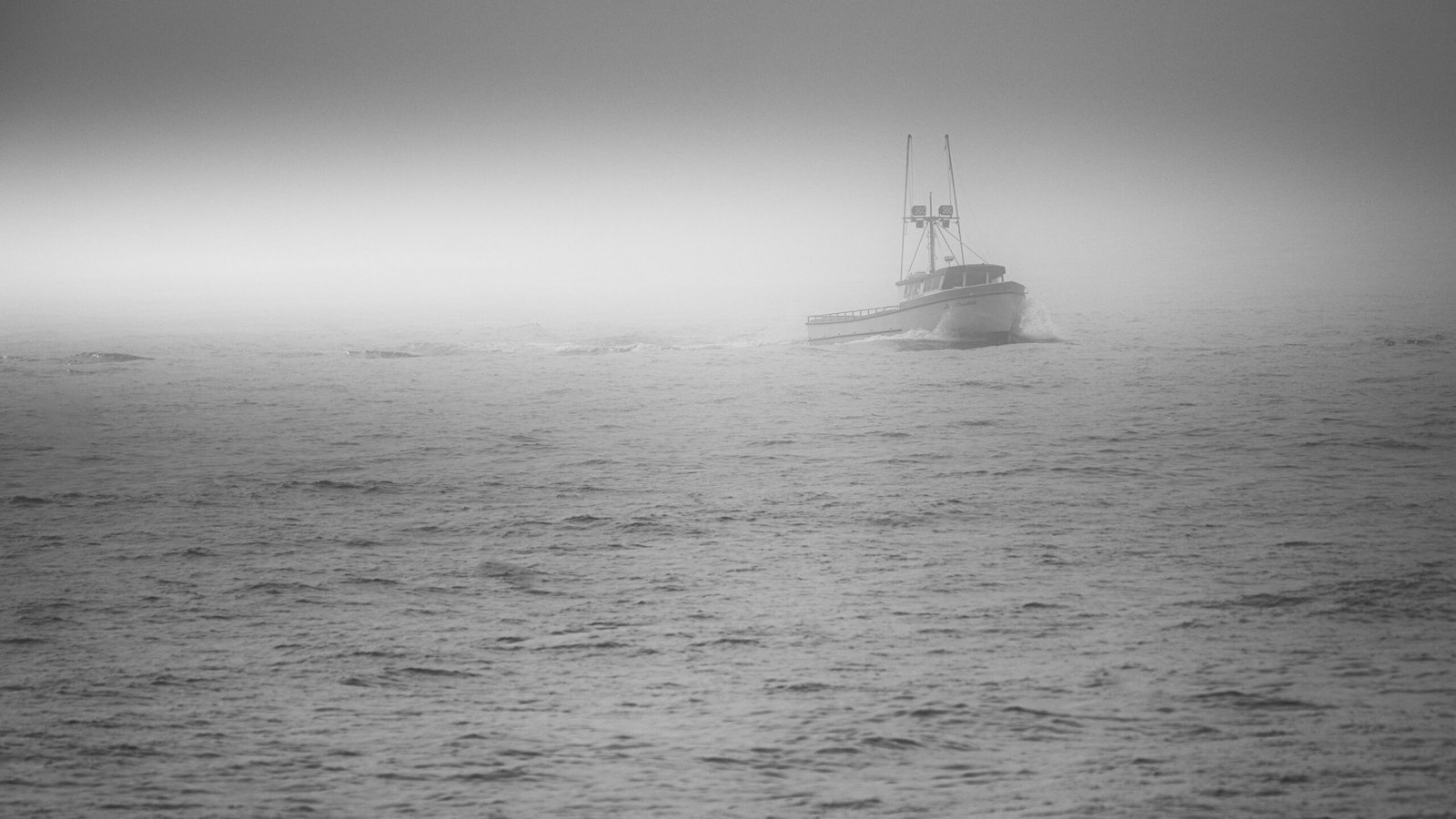
Fog Disrupts Tampa Bay Cruises: Thousands of Passengers Stranded at Sea
Published: December 9, 2025
Dense winter fog blanketing Tampa Bay has left three Royal Caribbean cruise ships unable to dock for hours, affecting thousands of passengers in what has become a recurring challenge for Florida’s west coast cruise operations.
On Saturday, December 6, heavy fog forced the temporary closure of Port Tampa Bay, delaying the arrival of Royal Caribbean’s Rhapsody of the Seas, Enchantment of the Seas, and Grandeur of the Seas by at least eight hours. The disruption affected both passengers disembarking from completed cruises and those waiting to board for new sailings.
The Fog Problem
Port Tampa Bay faces a unique geographical challenge. The cruise terminals sit at the northern end of Tampa Bay, approximately 30 miles from the Sunshine Skyway Bridge and nearly 40 miles from the bay’s mouth. Even in good weather, cruise ships require 2.5 to 3 hours to transit from open water to the terminal.
When dense fog rolls in—a common occurrence during Florida’s winter months—visibility drops below safe navigation thresholds. Port authorities must then suspend all marine traffic, including cruise ships and cargo vessels, until conditions improve.
“All Cruise Ships are delayed from entering port today due to fog in the bay,” Port Tampa Bay confirmed in a fog delay alert issued Saturday morning.
Impact on Passengers
The eight-hour delays created cascading problems for roughly 15,000 passengers across both departing and arriving sailings. Guests originally scheduled to arrive at terminals around 11:00 AM received notifications pushing their arrival times to 7:00 PM or later, with some embarkation slots extending to 9:30 PM.
One Carnival Paradise passenger, Ziyha Frances, expressed the frustration many felt: “We were supposed to arrive here at 8 a.m., and currently it’s 6:18 p.m. There was a lot of fog, so we had to sit there for hours and hours and hours.”
Another passenger, Katie Shaffer, who waited over seven hours with her family to board Paradise, maintained perspective: “We just need to be grateful to get this opportunity to go on a cruise. Obviously, it didn’t work out the way we wanted it to, but we’re still very blessed.”
The Ships Affected
All three delayed Royal Caribbean vessels belong to the Vision Class, the oldest ships in the cruise line’s fleet:
Rhapsody of the Seas (78,900 gross tons, 1997): Returning from a 7-night Western Caribbean cruise, the ship was scheduled to embark on another week-long voyage to Cozumel, Costa Maya, and Belize.
Enchantment of the Seas (82,900 gross tons, 1997): The largest of the three delayed ships, also on a turnaround day between Caribbean itineraries.
Grandeur of the Seas (73,800 gross tons, 1996): The oldest in the fleet, also affected by the full-day delay.
Additionally, on a separate day in late November, Carnival Paradise and Margaritaville at Sea Islander faced similar fog-related delays, demonstrating this is not an isolated incident but a recurring seasonal challenge.
Weather Conditions Behind the Fog
Tampa Bay’s winter fog forms when specific meteorological conditions align:
Temperature Inversion: Cold air from northern systems moves over the relatively warm waters of Tampa Bay. The temperature difference creates a perfect environment for fog formation.
Light Winds: Calm conditions prevent fog from dispersing. Without wind to mix the air, fog can persist for hours.
High Humidity: Florida’s naturally high humidity provides abundant moisture for fog formation.
Overnight Cooling: Radiational cooling overnight chills the air near the surface while water temperatures remain warm, enhancing fog development.
Geography: The bay’s enclosed shape and shallow waters in many areas contribute to fog persistence. Once fog forms, it can be slow to clear even as temperatures rise.
MyWeather’s Tampa Bay Fog Forecast
Understanding fog risk is crucial for cruise passengers and port operations:
This Week:
- Tuesday-Wednesday: Low fog risk, clear morning conditions
- Thursday-Friday: Moderate fog potential as cold front approaches
- Weekend: Elevated fog risk returning
Winter Season Outlook (December-February): Tampa Bay experiences fog events approximately 15-20 days per winter season, with December and January being peak months. Mornings between 6:00 AM and 10:00 AM present the highest risk, typically clearing by midday.
Predictive Indicators:
- Clear overnight skies
- Light winds (under 5 mph)
- Air temperatures 5-10°F below water temperature
- High relative humidity (above 90%)
MyWeather provides specialized marine fog forecasts for Tampa Bay, updated every three hours, specifically designed to help cruise operations and passengers plan around fog events.
Operational Challenges
The domino effect of fog delays creates complex logistical challenges:
Ship Sequencing: When multiple vessels wait to enter port, pilots must coordinate safe passage for each ship. This sequential processing extends delays beyond just the fog clearing.
Pilot Availability: Harbor pilots guide ships through Tampa Bay’s channels. Multiple delayed ships require scheduling pilots who work in limited numbers.
Tugboat Coordination: Tugs assist with docking maneuvers. Multiple ships means coordinating tug availability and scheduling.
Terminal Capacity: Cruise terminals must process disembarking passengers before new passengers can board. Delays compress these normally separated operations.
Customs and Immigration: Required processing for international passengers takes time that cannot be shortened, adding to overall delay duration.
Winter Cruise Season Complications
Tampa Bay’s winter cruise season brings higher ship volume precisely when fog risk peaks. On busy turnaround Saturdays, three or more cruise ships may be scheduled to dock, multiplying the impact of any fog-related closure.
The Vision Class ships affected on December 6—while among Royal Caribbean’s smallest and oldest—still carry substantial passenger loads. Combined with other vessels in port, a single fog event can disrupt travel plans for 10,000-15,000 people in one day.
Safety First Philosophy
Despite passenger frustration, maritime safety regulations require conservative approaches to fog navigation. Visibility standards exist to prevent collisions and ensure safe harbor entry.
The U.S. Coast Guard and Port Tampa Bay Pilot Association work together monitoring conditions. Only when visibility meets minimum safety standards do they authorize port reopening.
Royal Caribbean emphasized this priority in communications with passengers: “We will continue to monitor the weather and provide updates. Passenger safety remains our top priority.”
Contingency Planning for Cruisers
Experienced cruise travelers recommend several strategies for Tampa Bay departures during winter months:
Flight Timing: Never book flights for embarkation day. Arrive at least one day early to buffer against delays. For disembarkation, avoid same-day departure flights—book for the following day.
Flexible Schedules: When possible, maintain flexibility in work and other commitments around cruise dates. The December 6 delays left some passengers scrambling to explain late arrivals to employers.
Travel Insurance: Comprehensive policies can cover accommodation costs from delays and missed connections.
Morning Monitoring: Check weather forecasts and cruise line updates early on embarkation/disembarkation days. Fog conditions are typically known by 6:00-7:00 AM.
Terminal Contact: Port Tampa Bay recommends passengers contact cruise lines directly for the most current information during delays.
Impact on Regional Tourism
Fog-related cruise delays affect Tampa Bay’s tourism ecosystem:
Hotels: Both incoming and delayed departing passengers may need last-minute accommodations.
Transportation: Rideshare drivers, taxis, and shuttle services face compressed demand when ships finally dock.
Shore Excursions: Pre-booked tours and activities may be canceled or modified due to timing changes.
Local Business: Restaurants and attractions near the port experience unpredictable customer flows during disruption days.
Comparison to Other Ports
Tampa Bay’s fog challenge is more pronounced than many other cruise ports due to:
Long Transit Distance: The 30-40 mile approach from open water to terminals means ships must travel through extended periods of potential fog.
Shallow Bay: Restricted channels require precise navigation, making low visibility particularly hazardous.
Winter Peak Season: Unlike northern ports that see less winter cruise activity, Tampa thrives during precisely the months when fog risk peaks.
Multiple Turnarounds: Saturday turnaround days with several ships create vulnerability to single weather events affecting multiple vessels.
Other major cruise ports like Miami and Fort Lauderdale have terminals closer to harbor entrances, reducing transit time through potential fog zones.
Technology Solutions
Modern technology helps mitigate fog impacts:
Advanced Weather Modeling: Sophisticated forecasting provides earlier warning of fog potential, allowing cruise lines to adjust schedules proactively.
Radar Systems: Modern navigation radar can operate in reduced visibility, though maritime regulations still require minimum visual conditions.
Communication Networks: Real-time updates via email, text, and cruise line apps keep passengers informed rather than wondering about status.
Alternative Planning: Cruise lines can sometimes adjust itineraries, adding sea days or modifying port calls to accommodate significant delays.
Recovery from Delays
Once fog clears and ships dock, operations work to minimize ongoing disruption:
Accelerated Processing: Additional customs and border protection staff may be deployed to expedite passenger clearance.
Extended Embarkation: Terminal hours extend late into evening to accommodate delayed boardings.
Itinerary Adjustments: Ships with full sea days planned following embarkation can often absorb delays without affecting port visits.
Crew Overtime: Additional staff help process the compressed passenger flow from overlapping disembarkation and embarkation.
The three Royal Caribbean ships affected on December 6 all had sea days scheduled for December 7, allowing them to make up time and proceed with planned itineraries.
Future Outlook
Tampa Bay’s fog challenge isn’t going away. Climate patterns suggest winter fog events may remain consistent or potentially increase in frequency as sea surface temperatures trend warmer while winter cold fronts continue.
Port authorities, cruise lines, and passengers must continue adapting to this recurring natural phenomenon. Improved forecasting, better communication, and realistic passenger expectations all help minimize disruption impact.
For Tampa Bay—Florida’s second-largest cruise port—managing fog risk is part of the operational reality of winter season success.
Cruise passengers departing from Tampa Bay can monitor fog risk using MyWeather’s specialized marine forecasts, updated every three hours with detailed visibility predictions and timing information.
Download MyWeather for marine forecasts, port weather conditions, and cruise delay alerts.
Related Articles:
- Marine Fog Formation: Understanding Coastal Visibility Hazards
- Complete Guide to Cruise Travel Insurance and Weather Delays
- Tampa Bay Weather Patterns: Winter Cruise Season Outlook
- Florida’s West Coast: Navigating Winter Weather Challenges